When we feed our gardens synthetic, store-bought fertilizers, we are essentially giving our plants a shot of espresso. They perk up, grow rapidly, and look vibrant—but the soil underneath remains completely unchanged, or worse, slowly degrades.
Organic manure works on a entirely different philosophy. Instead of feeding the plant directly, it feeds the soil microbiome—the billions of microscopic bacteria, fungi, and earthworms that form the underground life-support system of your garden.
When you shift your mindset from feeding a plant to building a living ecosystem, your gardening game changes forever. Here is your definitive guide to understanding, choosing, and using organic manures to unlock your soil's true potential.
The Golden Rule: Aged vs. "Hot" Manure
Before digging into the different types of manure, there is one non-negotiable rule every home gardener must know: Never apply fresh, raw manure directly to your growing plants.
Fresh animal manure is considered "hot" because it contains exceptionally high levels of nitrogen and ammonia. If applied raw, it can physically chemically burn your plants' delicate root systems. Furthermore, fresh manure can harbor harmful pathogens like E. coli or Salmonella, and it is usually packed with viable weed seeds that will quickly take over your garden beds.
The Fix: Always ensure your manure is fully composted or aged for at least six months. Properly composted manure smells earthy, like a forest floor, not like a barnyard. The high temperatures achieved during the composting process naturally destroy pathogens and weed seeds while stabilizing the nutrients.
The Manure Menu: Choosing the Right Type
Not all manures are created equal. Depending on what you are growing—whether it’s heavy-feeding tomatoes or delicate root vegetables—you'll want to select a manure that aligns with your garden's specific needs.
1. Aged Cow and Horse Manure (The Great All-Rounders)
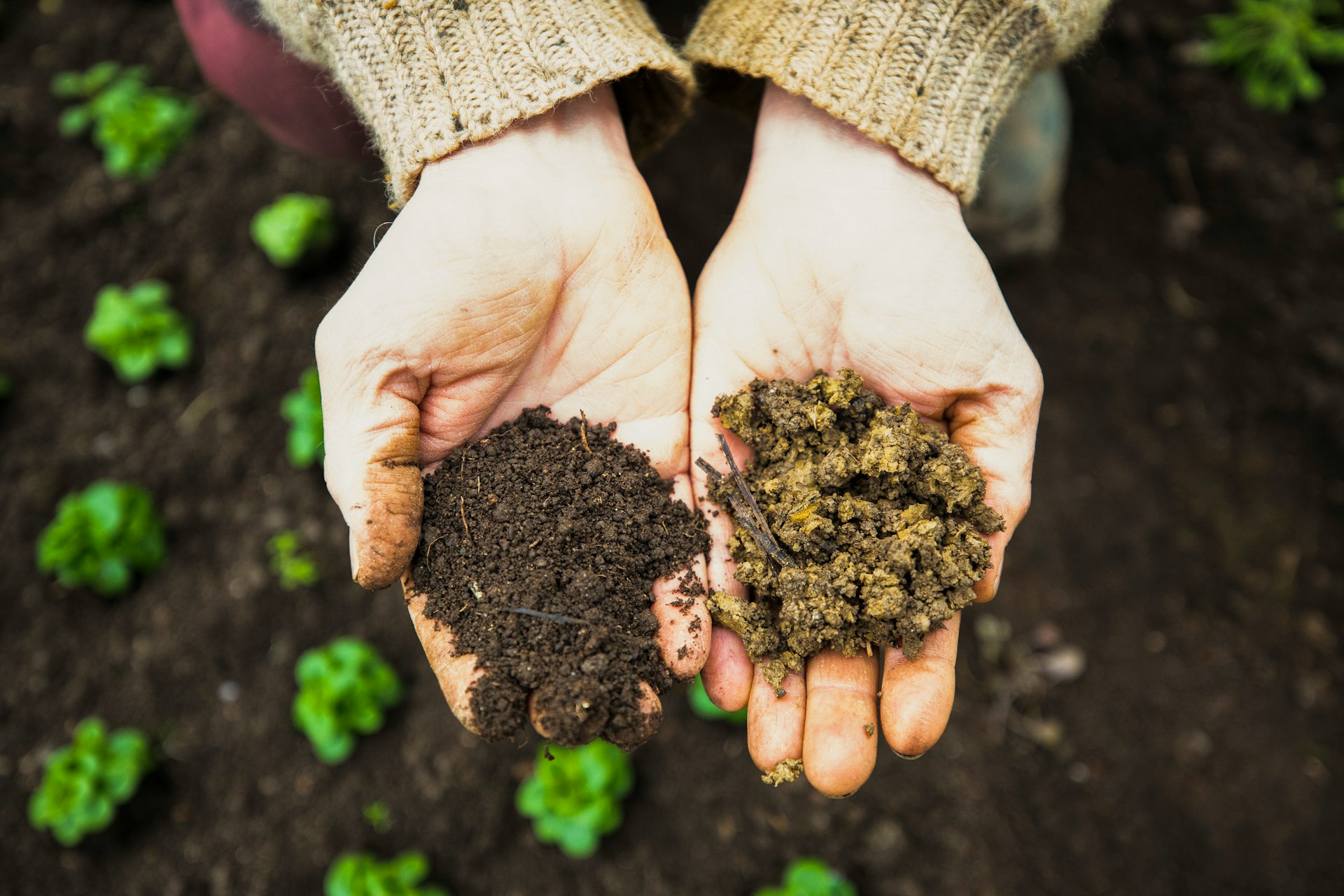
This is the classic choice for improving overall soil structure. Cow manure is relatively low in nitrogen, making it incredibly gentle on plants and highly unlikely to burn them even if you accidentally add a little too much. Horse manure tends to have slightly more weed seeds due to the way horses digest food, so make absolutely sure it has been hot-composted before use.
- Best For: Amending large vegetable beds, conditioning heavy clay soil, and building up sandy soil.
2. Poultry Manure (The Nitro-Boost)
Chicken and turkey manures are incredibly high in both nitrogen and phosphorus. Because it is so concentrated, a little goes an exceptionally long way. It is a fantastic option for plants that require substantial energy to produce green leaves or fruits.
- Best For: Heavy feeders like leafy greens (spinach, kale), corn, tomatoes, and brassicas (broccoli, cabbage).
3. Vermicompost / Worm Castings (The Black Gold)
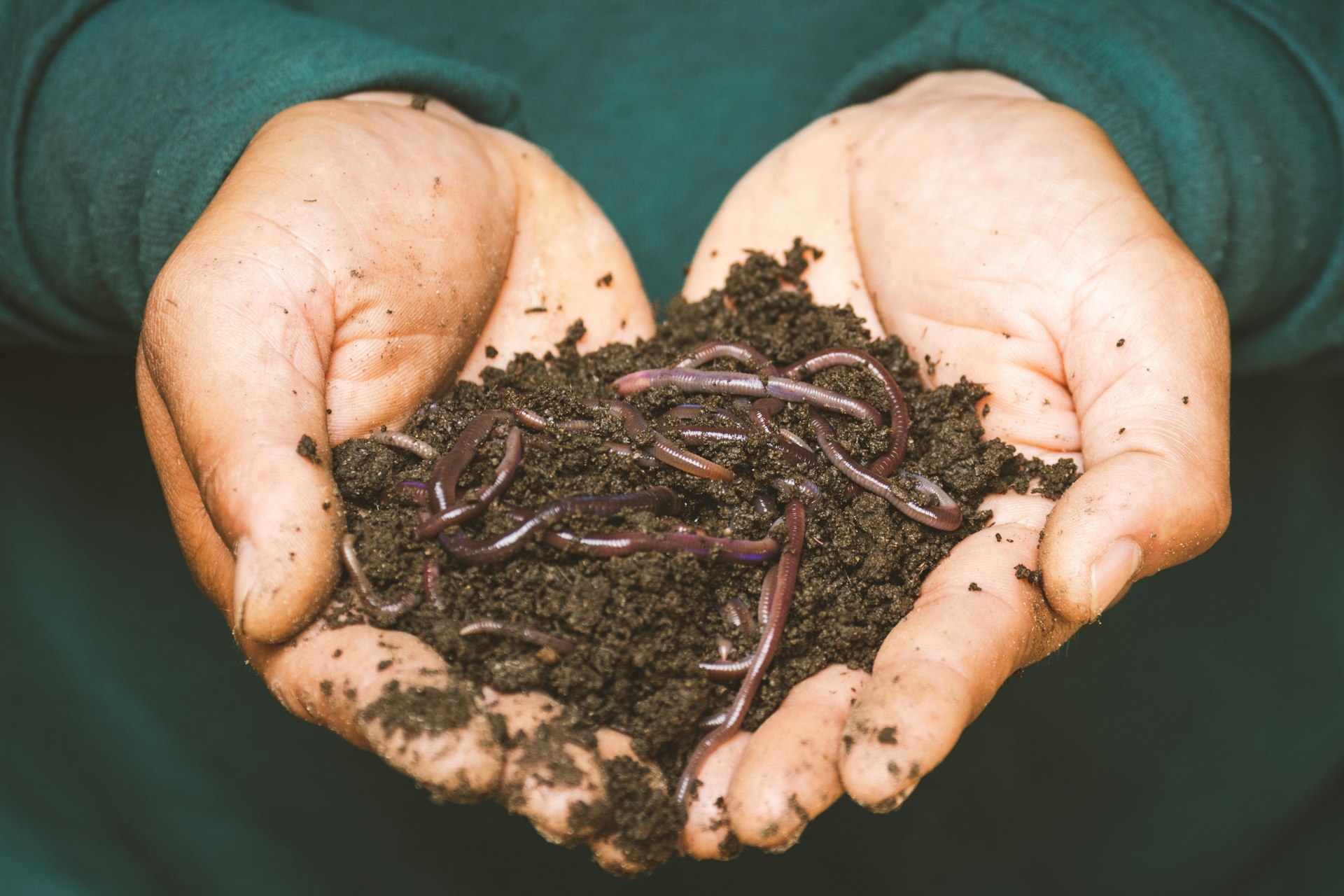
While technically the byproduct of earthworms rather than livestock, worm castings are the undisputed crown jewel of organic amendments. They are rich in highly bioavailable nutrients, packed with beneficial microbes, and naturally contain humic acids that stimulate robust plant growth.
- Best For: Seed starting, potting mixes, delicate houseplants, and top-dressing highly prized flowers.
How Much Do You Actually Need?
One of the biggest hurdles for home gardeners is figuring out how much manure to apply without overdoing it. To make this process seamless, use the interactive calculator below to instantly estimate the ideal amount of composted manure required for your specific garden setup.
The Comparison Guide
To help you choose the right amendment at a glance, here is a breakdown of how the most common organic options perform across different soil-building metrics:
| Manure Type | Nutrient Intensity | Soil Conditioning Impact | Best Application Method |
| Aged Cow Manure | Moderate | Excellent (Adds great organic bulk) | Tilled into top 6 inches of soil in early spring |
| Poultry Manure | Very High | Moderate | Lightly scratched into surface soil; used sparingly |
| Vermicompost | High (Microbe-rich) | Outstanding (Improves water retention) | Placed directly in planting holes or used as a top-dress |
| Sheep/Goat Manure | High | Good (Rich in potassium) | Excellent for refreshing depleted autumn beds |
Best Practices for Application
To maximize the benefits of your organic manure while maintaining a clean, healthy garden, follow these three core practices:
- Apply by the Seasons: The ideal time to add bulk manures (like cow or horse) is late fall or early spring. This gives the soil microbiome plenty of time to integrate the organic matter before your plants hit their peak growing phase.
- Keep it in the Top Zone: Most of your soil’s microbial activity happens in the top 4 to 6 inches. Gently incorporate your manure into this upper layer rather than burying it deep underground where oxygen levels drop.
- Combine with Mulch: After applying manure, cover it with a thin layer of organic mulch (like straw or shredded leaves). This keeps the manure moist, preventing the sun from baking away the living microbes you just introduced.
By feeding your soil a steady diet of high-quality organic matter, you are doing more than just helping this season's crops thrive—you are investing in the long-term fertility and resilience of your land.
Why Home Gardens Love Organic Manures
Many gardeners initially switch to organic manures to avoid chemicals, but they quickly discover many additional benefits.
Improved Soil Health
Organic matter enhances soil texture, making clay soils looser and sandy soils better at retaining water.
Stronger Root Systems
Healthy soil encourages roots to grow deeper and stronger, allowing plants to access nutrients more efficiently.
Better Water Retention
Organic manures act like natural sponges, helping the soil hold moisture during hot weather.
Increased Microbial Activity
Beneficial bacteria, fungi, and earthworms flourish in organically enriched soil, creating a natural nutrient cycle.
Sustainable Gardening
Organic manures recycle natural waste materials, reducing environmental impact and promoting eco-friendly cultivation.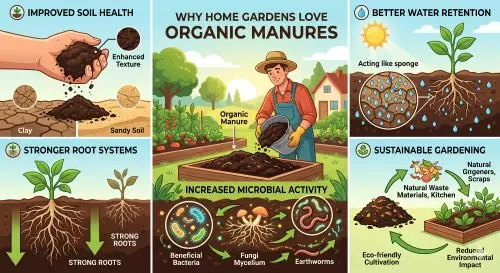
Choosing the Right Organic Manure
Different plants have different nutritional needs.
| Plant Type | Recommended Organic Manure |
|---|---|
| Leafy Vegetables | Vermicompost, Compost |
| Flowering Plants | Bone Meal, Vermicompost, PROM |
| Fruit Plants | FYM, Compost, PROM |
| Indoor Plants | Vermicompost, Cocopeat Mix |
| Herbs | Compost, Vermicompost |
| Seedlings | Cocopeat and Compost Blend |
Using a combination of organic manures often delivers the best results because it provides a broader range of nutrients and soil benefits.
Final Thoughts
Organic manures are more than fertilizers; they are the foundation of sustainable gardening. By choosing natural soil amendments such as vermicompost, compost, farmyard manure, bone meal, PROM, bio-enriched manure, and cocopeat, home gardeners can cultivate healthier plants while improving soil health for years to come.
When you feed the soil, the soil feeds the plants. And when the plants thrive, the entire garden comes alive.........,